 Case study · Gas delivery · Jamaica

The brief
Cooking gas, ordered in minutes and delivered by a rider you can track.
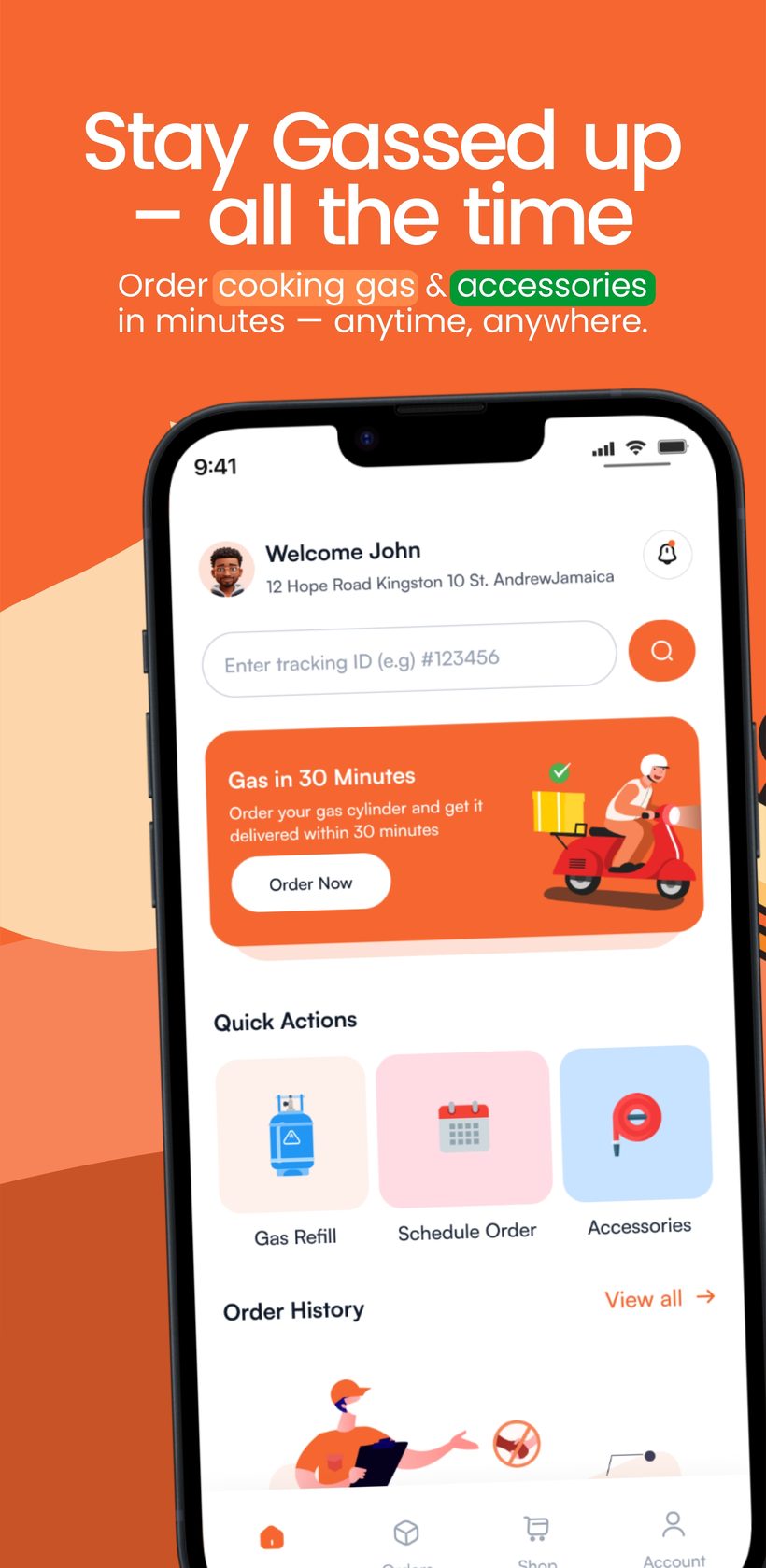
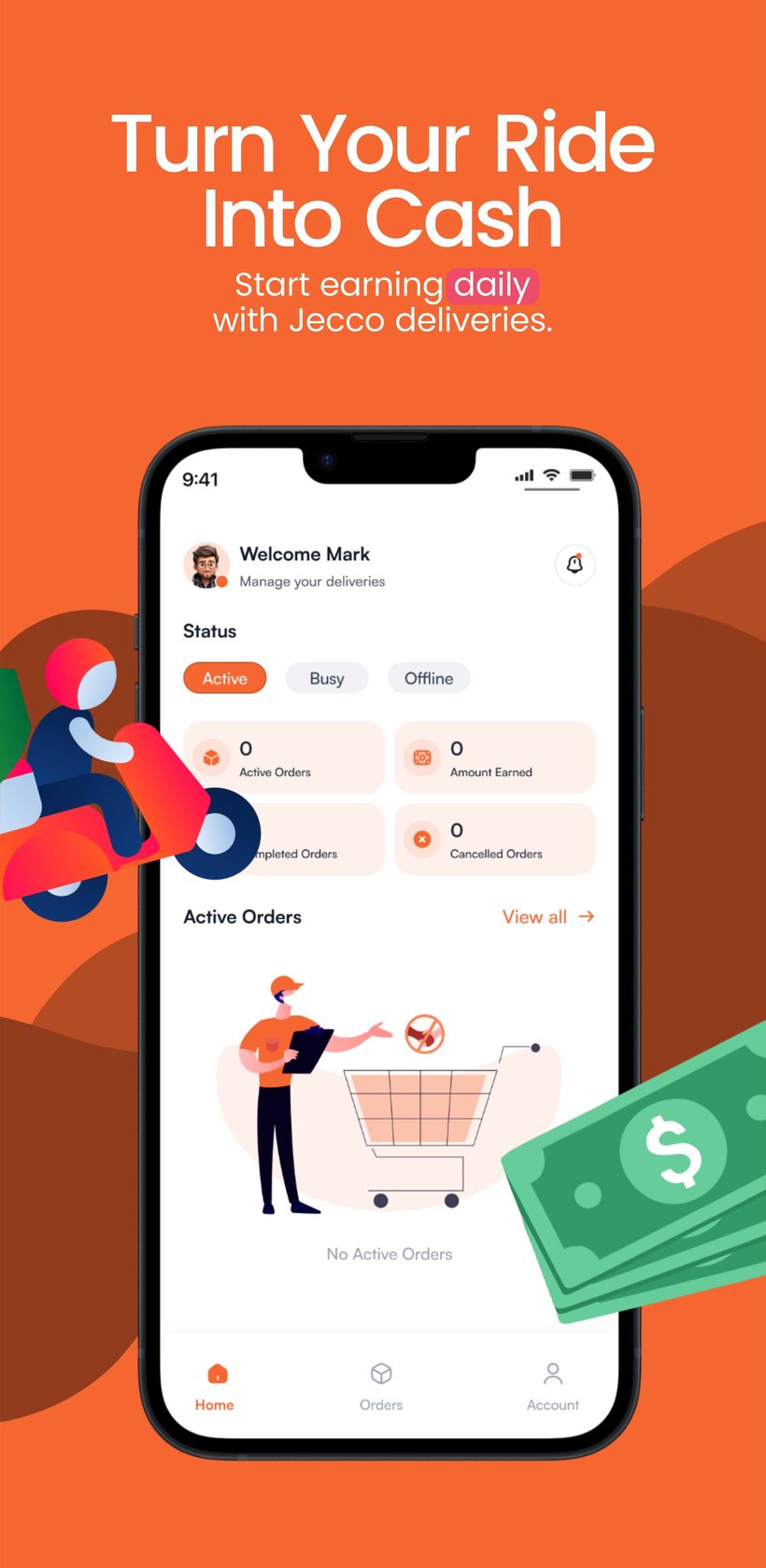
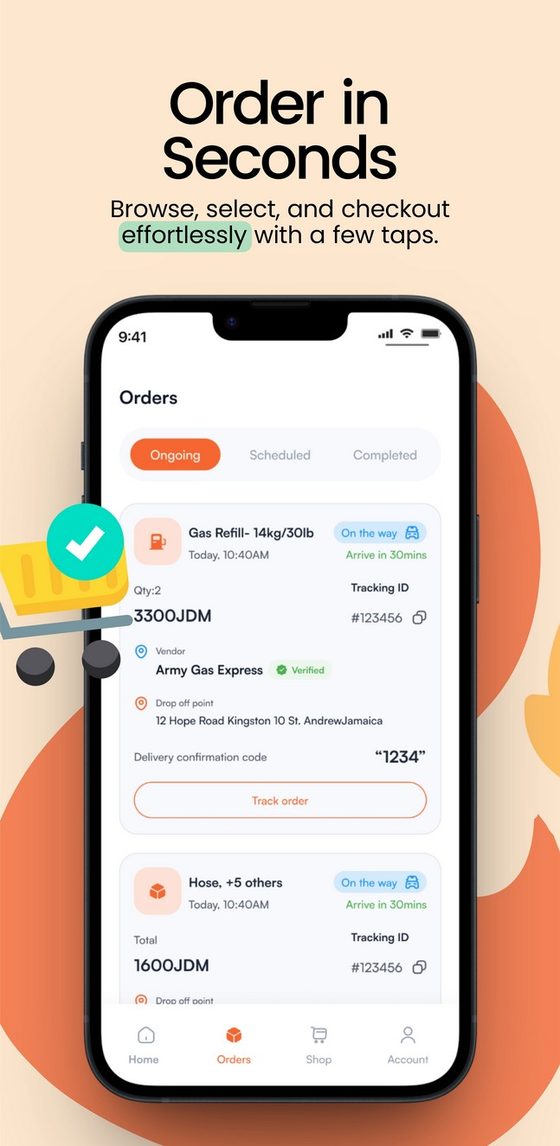
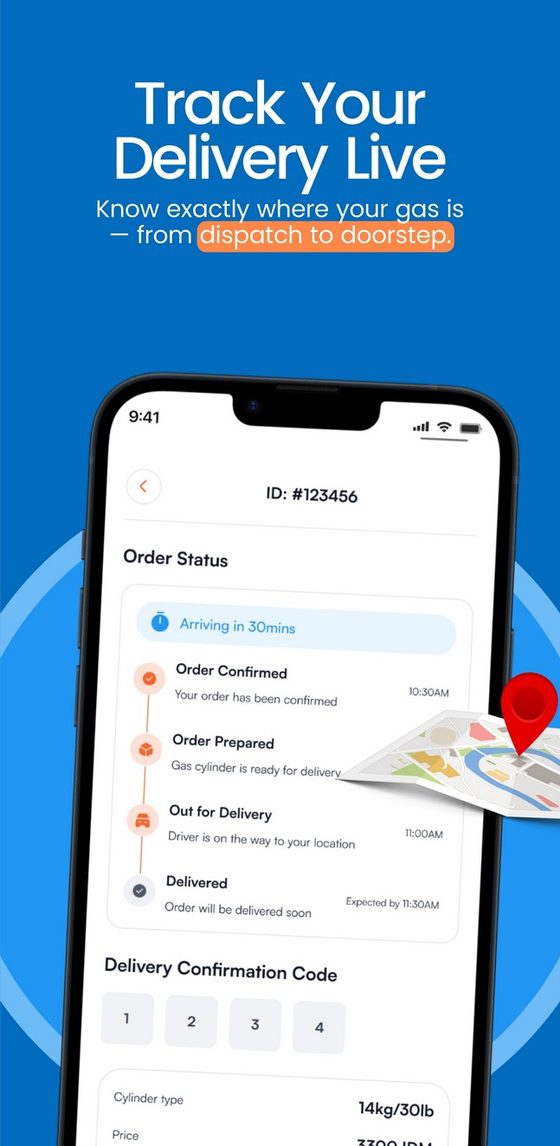
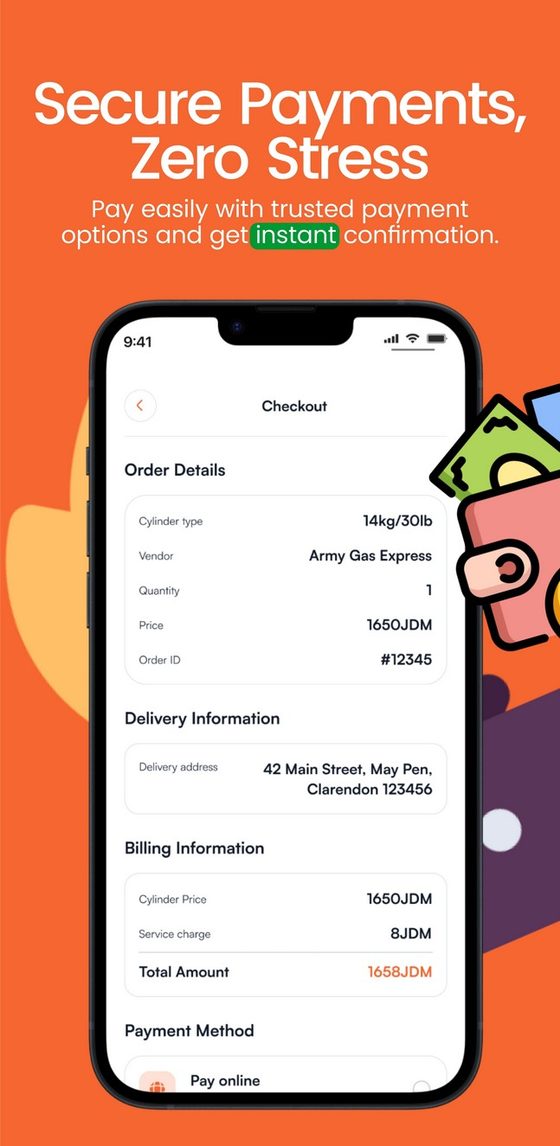
Running out of cooking gas is a daily problem, and refilling a cylinder usually means a trip or a phone call. Jecco lets customers order a refill or accessories from their phone, pay in the app and watch the delivery arrive. On the other side, riders pick up orders, deliver them and get paid.
On the mobile side, my job was to turn the product requirements into an app architecture that could ship, then build both apps on it, working day to day with the product owner and the rest of the team.
Anchor Bridge Consulting contracted me as the mobile developer and architect on a six‑person team: frontend, backend, project management, DevOps and mobile, led by their project lead. I worked on the architecture, state management, payments and store release of both apps, on top of the backend the team delivered.
Built with Anchor Bridge Consulting.
Anchor Bridge builds and staffs technology teams for growing businesses, from Fort Lauderdale and Lagos. For Jecco, they put together a six‑person product team across three timezones and took it from first commit to production in four months.
Founder Emmanuel Onyia owned the product. Robert Kehinde, then project lead, ran delivery. Anchor Bridge's engineers built the frontend, backend and infrastructure. I built the mobile apps.
One of the best Mobile Engineers I have had the privilege to lead and work with throughout my career.Robert Kehinde · Project lead on Jecco · managed Christian directly · LinkedIn recommendation, June 2026
The hard part
One codebase that ships as two separate apps.
Customers and riders need different apps, with their own screens, permissions and store listings. Building them separately would have meant writing sign‑in, payments, notifications and the order model twice, and keeping them in step forever.
For the mobile apps, I set up a single Flutter codebase using Flavors. Shared code lives in one core: authentication, the typed API client, push notifications, the order model and the design system. Each flavour adds only what its users need and builds into its own app.
The result is two apps that can change independently. A new rider feature can't break checkout for customers, and a fix to the shared order model reaches both apps in one release.
The customer app
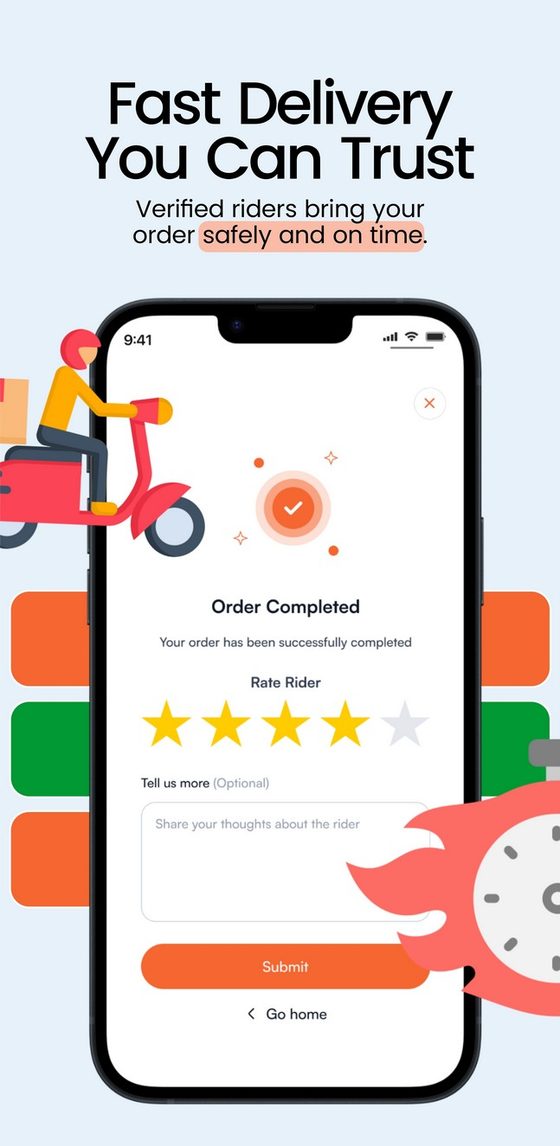
Ordering, live tracking, delivery confirmation and payment. On Google Play and the App Store.
The rider app
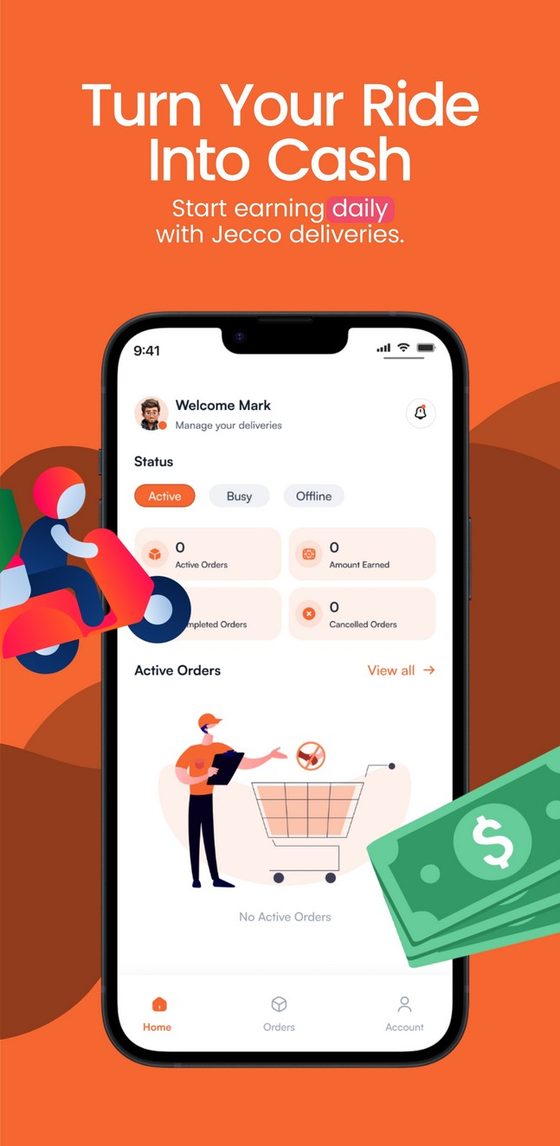
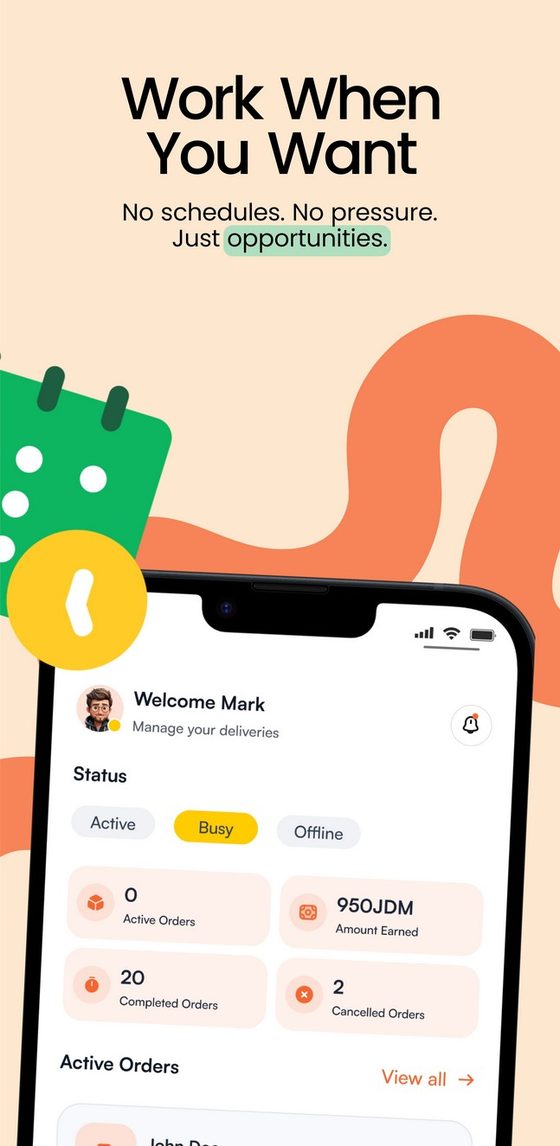
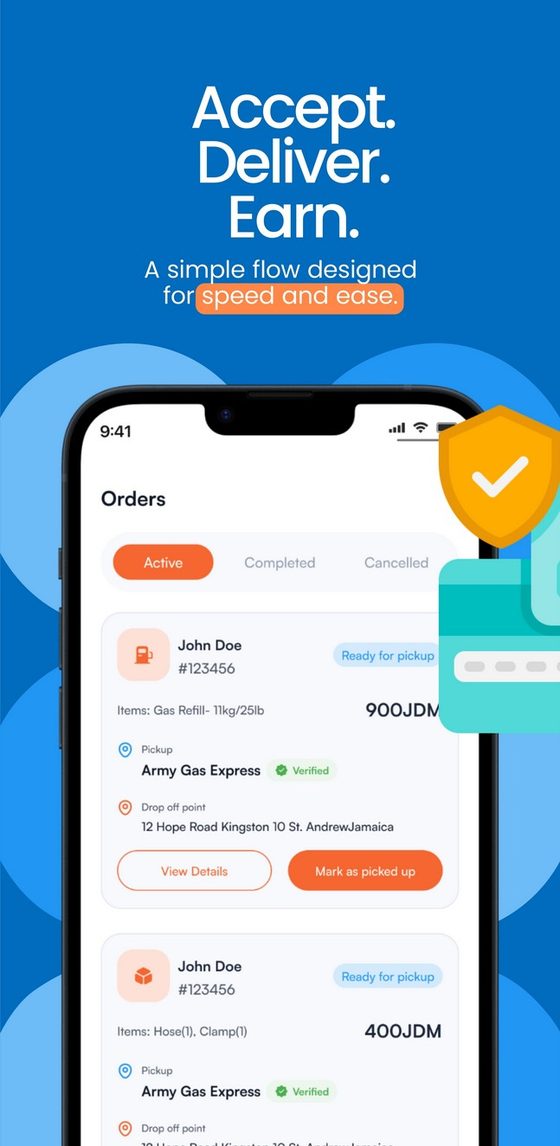
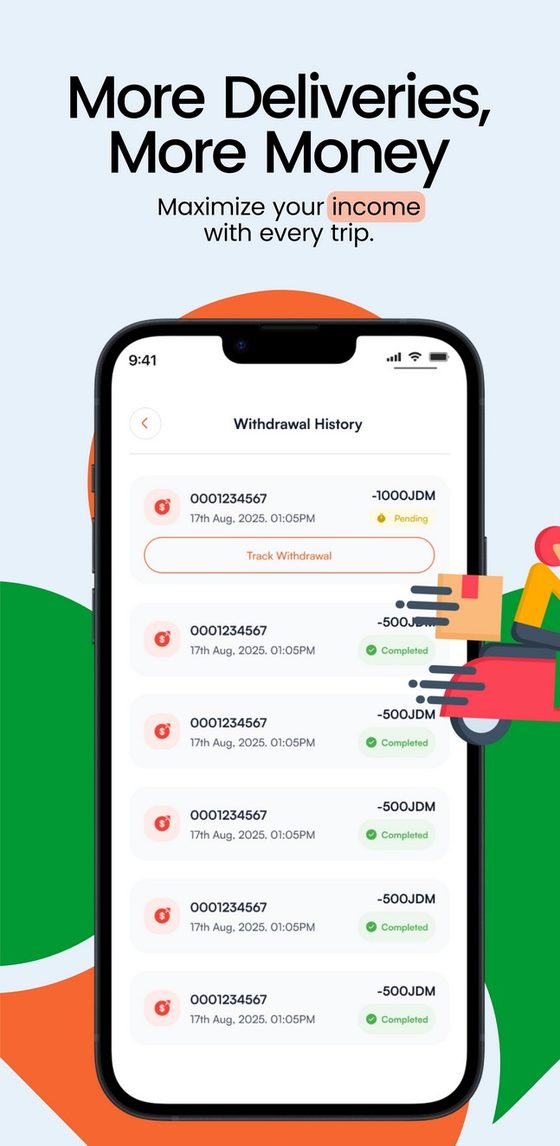
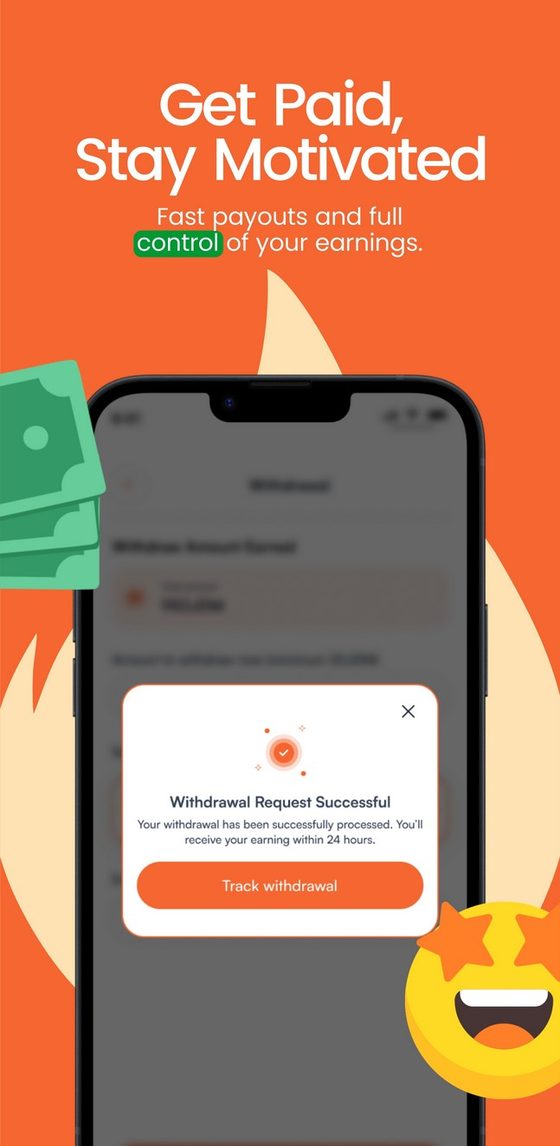
Availability, order assignment, the delivery workflow, earnings and withdrawals.
Where it stands
Live, and built fast.
The customer app is live on Google Play and the App Store, and the rider app on Google Play: two apps from one shared Flutter codebase, four months from first commit to production, built across three timezones.